
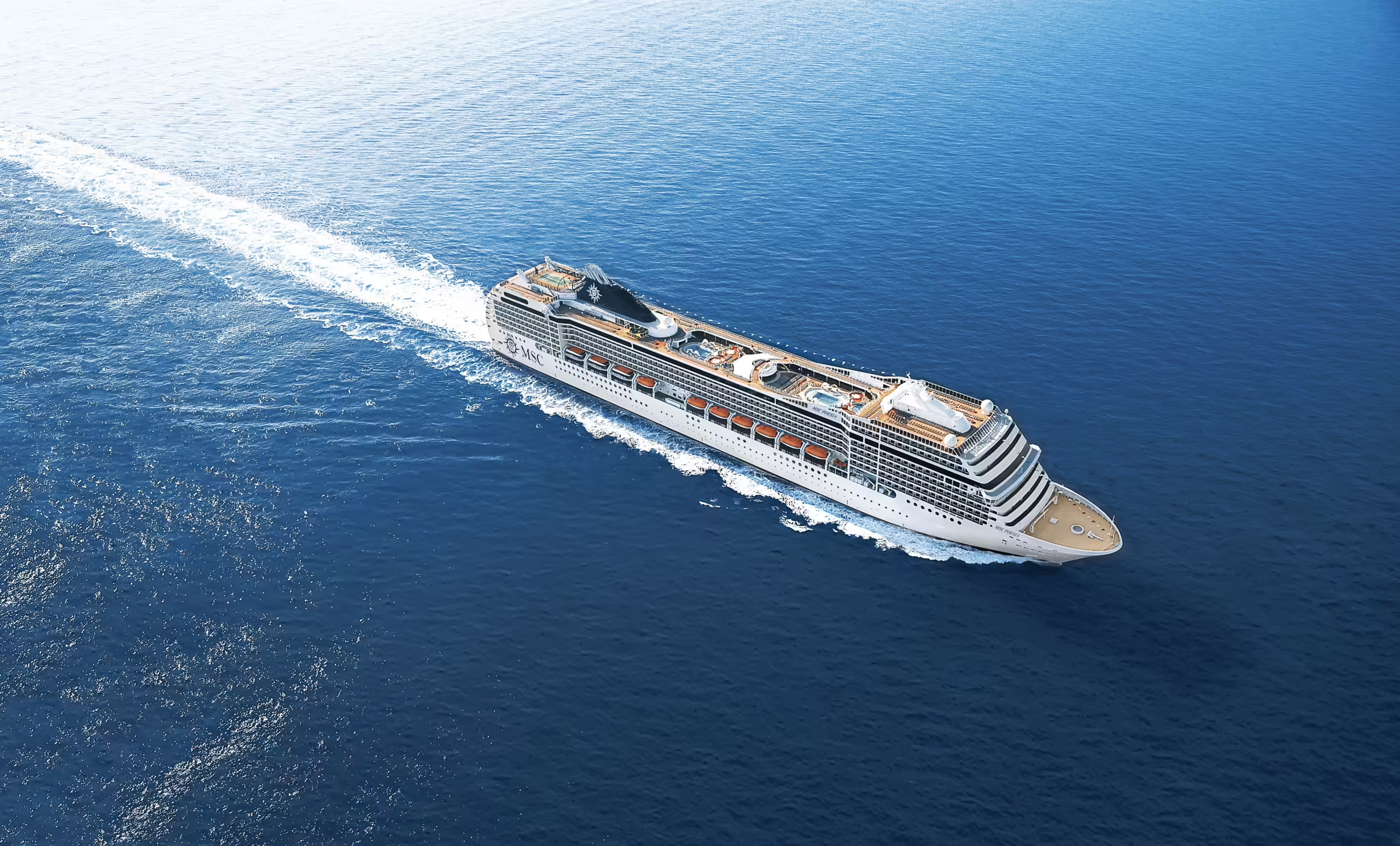
Earlier this week, we wrote about how MSC canceled Poesia’s 11-night Caribbean and Central America cruise after the U.S. Coast Guard detained the ship at PortMiami. At the time, nobody had said what the Coast Guard found. Now there’s a possible answer, though it’s far from confirmed.
Shipping Italy reported on November 5, 2026 that word circulating among industry insiders suggests inspectors may have found a “magic pipe” on board. The outlet is upfront that these are unofficial, unconfirmed rumors. Neither the Coast Guard nor MSC has said a magic pipe was found, and nobody’s been charged with anything.
The Coast Guard’s press release says a Port State Control team detained Poesia on Sunday, November 1, 2026 after finding deficiencies during an inspection, and that the ship would stay in Miami until they’re corrected. In a statement to CBS News, the Sector Miami commander said the deficiencies involved systems on board.
When Shipping Italy asked MSC about the magic pipe report, the line declined to comment on rumors. It did confirm the inspection turned up some observations, that a corrective action plan was put in place right away and that it’s still working with the Coast Guard to resolve things.
What’s a Magic Pipe?
Every ship collects bilge water, a mix of water, oil, fuel residue and other fluids that drains to the lowest part of the hull, mostly from the engine room. Under the international pollution treaty known as MARPOL, it has to run through an oily water separator before any of it goes overboard. An oil content monitor checks the result, and the water can only be discharged at sea if it’s under 15 parts per million of oil. The separated oil stays on board for proper disposal, and every step is supposed to be logged in the ship’s Oil Record Book.
A magic pipe is a bypass, usually a hose or modified section of piping that lets oily waste skip the separator and go straight over the side. The name comes from the idea that the waste just magically disappears. Of course, it doesn’t. It ends up in the ocean.
In the U.S., these cases are usually prosecuted under the Act to Prevent Pollution from Ships, and the charge often isn’t the dumping itself since that tends to happen in international waters. It’s the paperwork. A ship that arrives in a U.S. port with an Oil Record Book that doesn’t match reality is breaking U.S. law. The law also lets courts award part of any fine to whistleblowers, which is why many of these cases start with a tip from a crew member.
Has This Happened on Cruise Ships Before?
Yes, though not recently. The best known case involved Princess Cruises’ Caribbean Princess. A newly hired engineer found a magic pipe in 2013 while the ship was off the U.K. and reported it. According to the Department of Justice, the bypass had been in use since 2005. Princess pleaded guilty and paid a $40 million penalty, and eight Carnival Corporation brands were put under a five-year, court-supervised environmental compliance program with independent audits and a court-appointed monitor.
Before that, Royal Caribbean, Holland America, Carnival and Norwegian all paid penalties in the late 1990s and early 2000s for oily waste discharges or falsified records. Shipping Italy notes similar cases on cruise ships haven’t surfaced in recent years.
None of that history says anything about what did or didn’t happen on Poesia. A Port State Control detention can involve anything from fire safety equipment to lifesaving gear to environmental systems, and most are resolved with repairs and a reinspection. A deficiency also isn’t the same thing as someone doing something intentionally wrong.
So far, there’s been no announcement of any investigation, charges or penalties. Until the Coast Guard or MSC says more, the magic pipe report is an unverified claim and nothing more. We’ll keep an eye on when Poesia is cleared to sail and whether any upcoming Miami departures are affected, and we’ll provide further updates to this story as official information comes out.
