

There’s something magical about watching a massive cruise ship squeeze through a lock with just feet to spare on either side. The Panama Canal is one of those bucket-list cruise experiences that never gets old, even if you’ve done it before. I’m about to embark on my next Panama Canal cruise aboard Holland America’s Rotterdam, and I’m as excited as I was the first time.
Types of Panama Canal Cruises
Not all Canal transits are created equal, and understanding the two types will help you decide which experience is right for you.
Partial Transit with Scenic Cruising
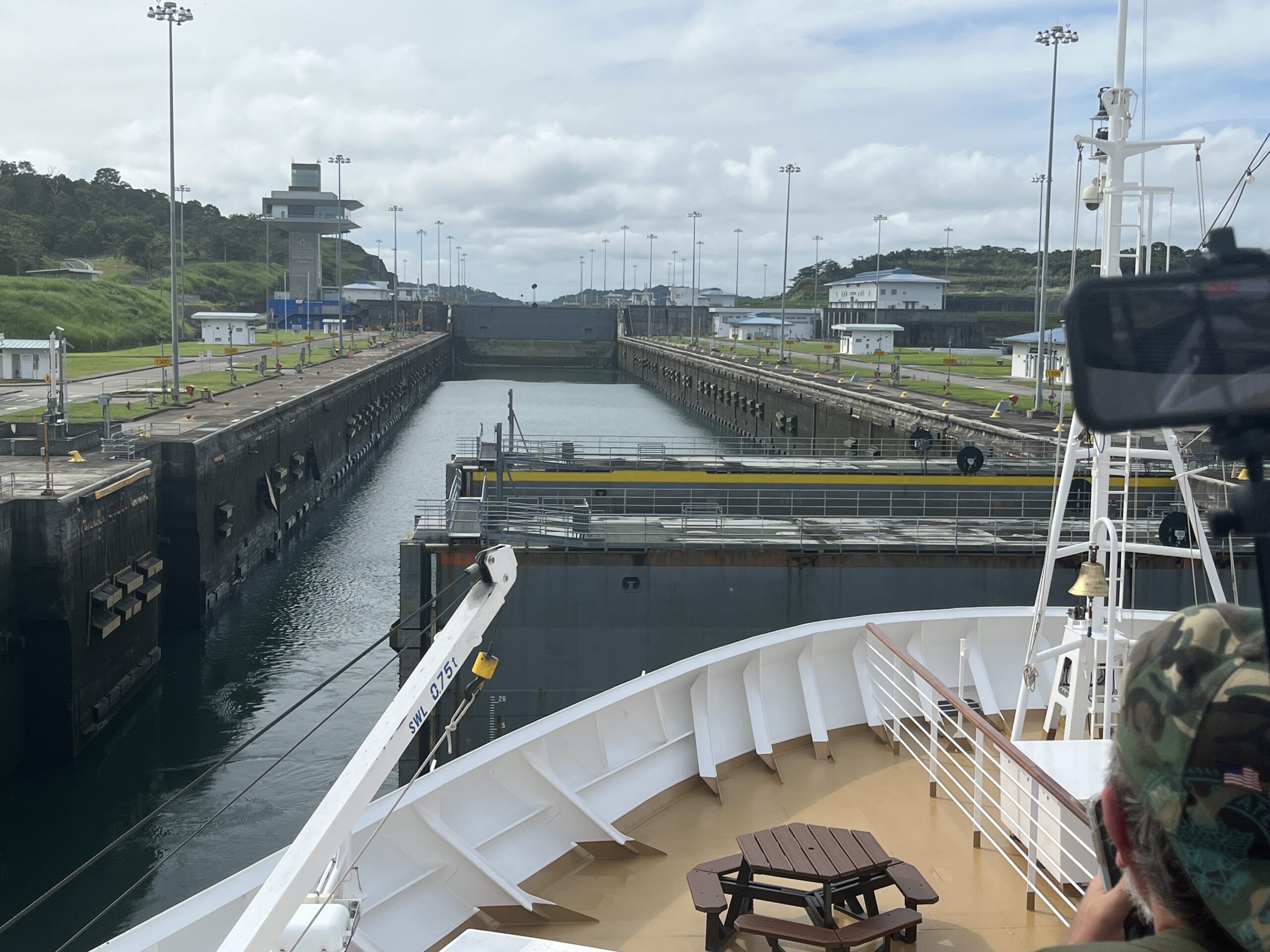
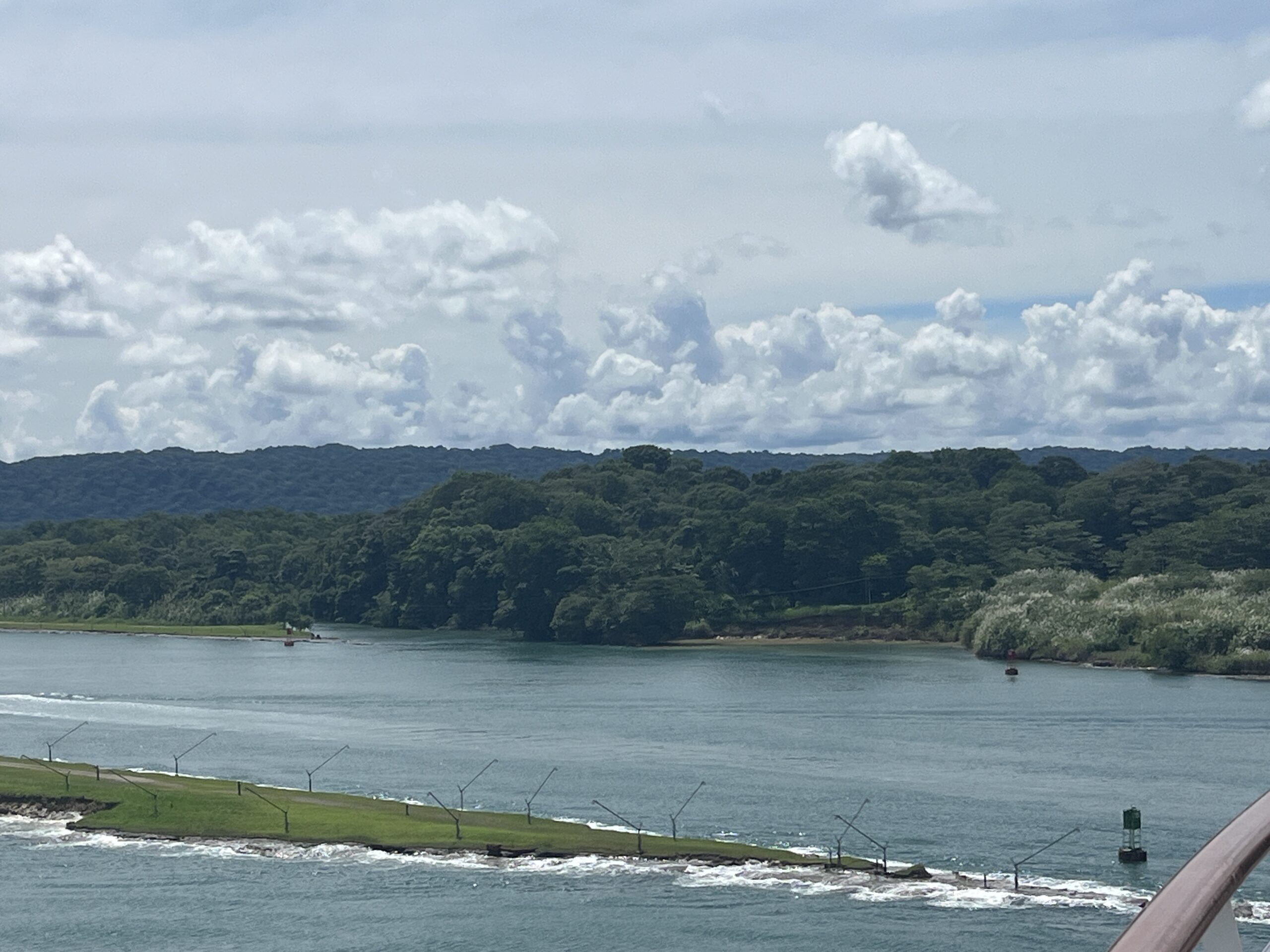
This is what I’m doing once again on the Rotterdam – and it’s the most common Canal experience for cruise passengers. You’ll transit the Canal’s locks, cruise through the beautiful Gatun Lake (the highlight for many), and then do some scenic cruising. The best part? There’s an optional shore excursion where you can board a ferry boat and complete a full crossing to the Pacific side, then take a bus back to rejoin the ship later in the day. It’s a fantastic option if you want the complete experience, but it does make for a long, hot day. I’ve done this before, and it’s one of my favorite excursion options.
Full Transit
If you want to experience the Canal in its entirety – entering from one ocean and exiting the other – you’ll need to book a repositioning cruise. These voyages happen when ships transition between seasonal itineraries, typically when Caribbean-based ships reposition to Alaska (or vice versa) at the start and end of the season. A full transit takes about 8-10 hours and is a once-in-a-lifetime experience for many cruisers. You literally spend the entire day watching the engineering marvel unfold.
The Canal’s Remarkable History
Built between 1904 and 1914, the Panama Canal revolutionized global shipping by eliminating the need to sail around Cape Horn at the tip of South America. Before the Canal, that journey added weeks to any voyage.
What many cruisers don’t realize is that the Canal actually represents two separate building attempts. The French tried first in the 1880s under Ferdinand de Lesseps (who had successfully built the Suez Canal), but tropical disease, difficult terrain, and poor planning skuttled his attempt. As you transit the Canal, you can still see remnants of that failed French attempt that serve as silent reminders of one of history’s greatest engineering setbacks.
The Americans picked up where the French left off, and through superior engineering, disease control (they eliminated malaria in the region), and sheer determination, they succeeded where France had failed. That’s remarkable to think about when you’re sailing through.
The Old and New Locks: A Tale of Two Waterways
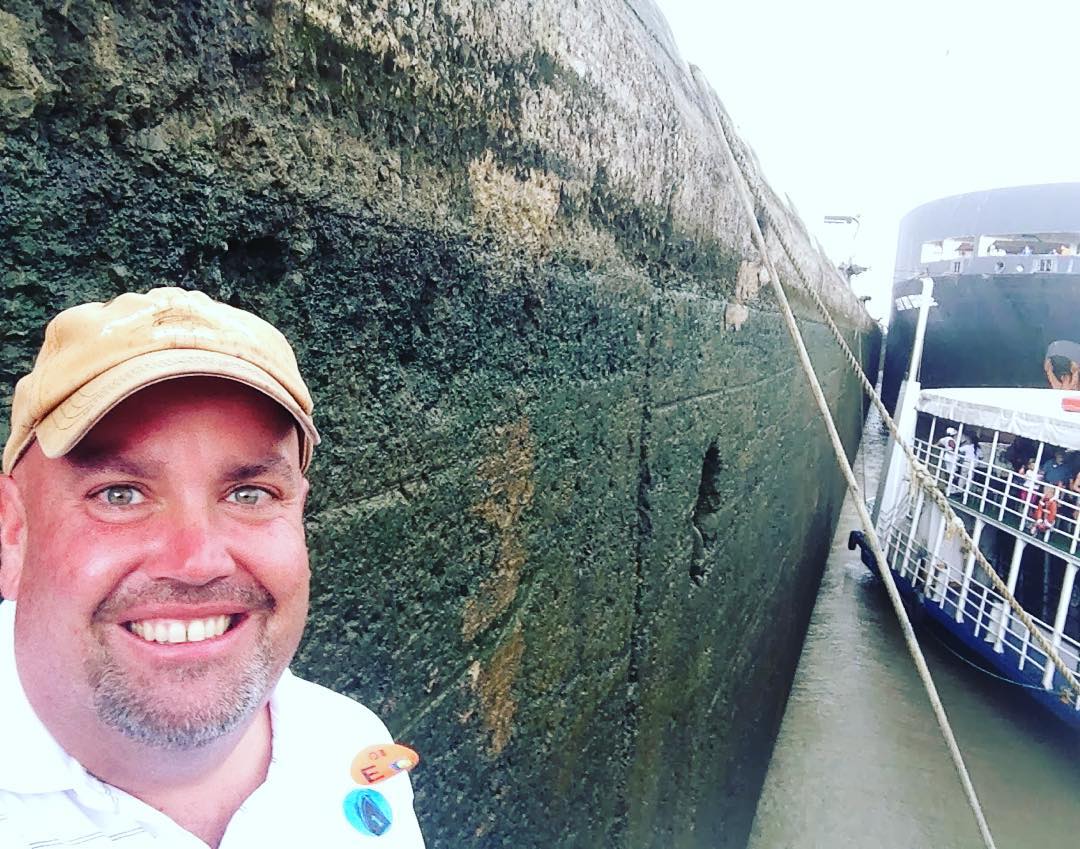
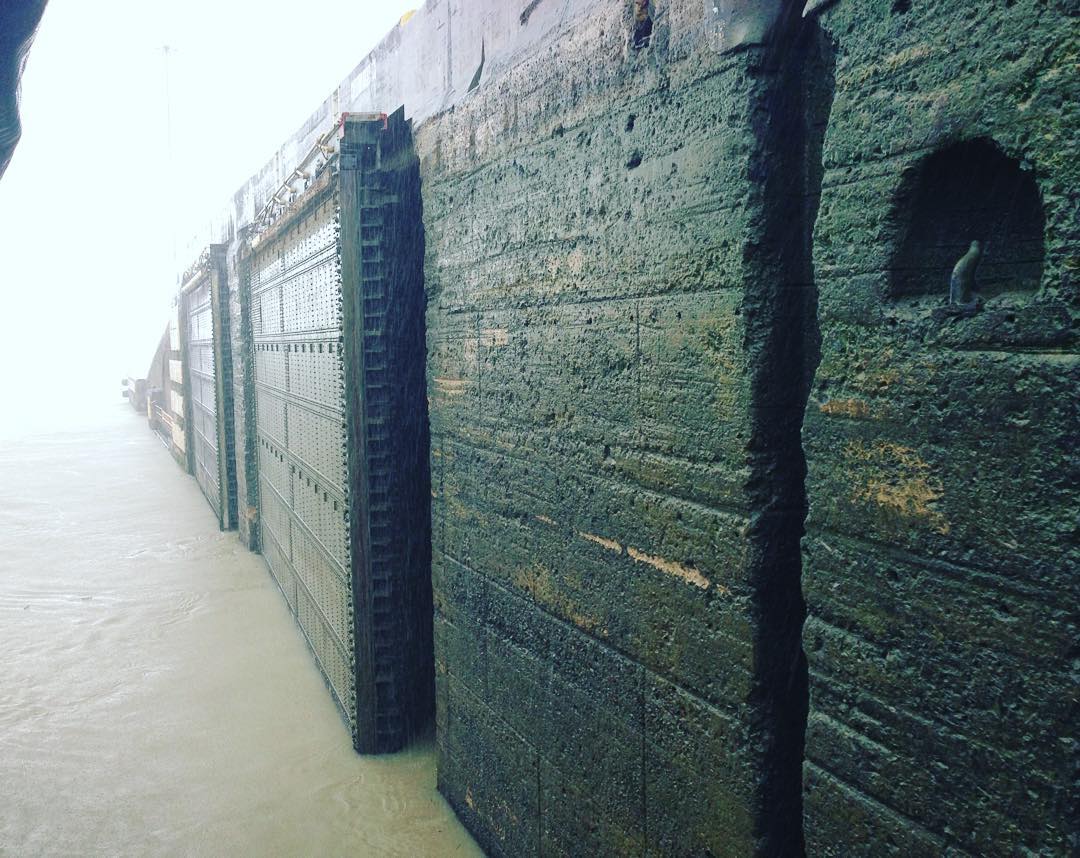
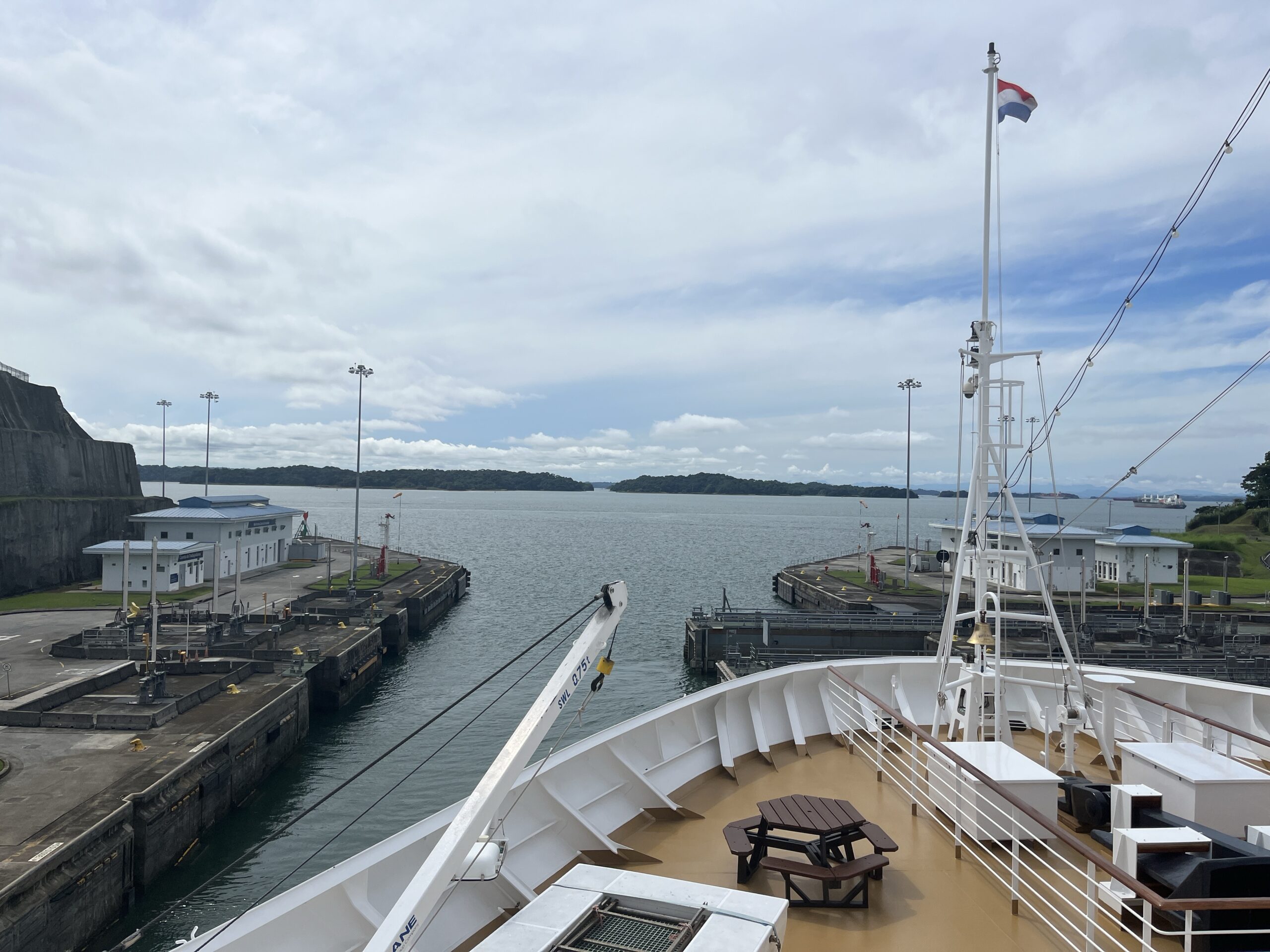
The original Panama Canal uses three sets of locks that opened in 1914: the Gatun Locks (on the Atlantic side), Pedro Miguel Locks, and Gaillard Locks (on the Pacific side). These locks are engineering marvels that still function over a century later. The views from the Gatun Locks are particularly interesting – watching the gates close and water raise you up is unforgettable.
My first Panama Canal cruise was aboard Holland America’s Zuiderdam, which passed through these historic old locks. There’s something special about that experience – you’re literally using the same infrastructure that opened in 1914!
However, the Canal faced a capacity problem. Modern cruise ships and container vessels kept getting bigger, and the old locks couldn’t accommodate them. Ships like the Rotterdam – which can carry significantly more passengers than the Zuiderdam – simply don’t fit through those original locks. So in 2016, the Canal Authority opened a brand-new third set of locks that can handle much larger vessels. The new Neopanamax locks have essentially doubled the Canal’s capacity.
The reality? Ships like the Rotterdam can only use the new locks. So while I’ve experienced the historical charm of the old locks with the Zuiderdam, my other Canal transits on the Rotterdam go through the newer locks exclusively.
Knowing Which Ships Use Which Locks
This is where my Holland America Fleet Guide comes in handy. The guide breaks down which Holland America ships can transit which locks – and it’s not as simple as you might think. Some ships can technically fit through both old and new locks, but the Canal Authority determines ship routing. So even if a ship is capable of using the old locks, they might be directed through the new ones depending on traffic, maintenance schedules, or other operational factors.
Your itinerary will be routed accordingly, but here’s the takeaway: if experiencing the historic old locks is important to you, check your ship class before booking. Smaller ships have more flexibility, while the larger newer-generation vessels are locked into the newer locks (pun completely intended).
Why You Should Do a Panama Canal Cruise
Whether it’s your first time or your tenth, a Panama Canal cruise offers something special. You’re witnessing engineering history, seeing one of the world’s most important commercial waterways, and – if you’re cruising with Holland America – enjoying a ship that’s perfectly suited for the experience.
So stay tuned, for my latest trip through the Canal as I board the Rotterdam on March 1, 2026!