

Earlier this week during my cruise on Holland America Line’s Koningsdam, as we were passing along the coast of Cuba, an interesting conversation came up between me and some fellow passengers: why can’t we cruise there?
It’s a fair question. When you’re out on deck, looking at an island that’s right there, and knowing it’s so close to Florida, it seems almost ridiculous that cruise ships from the U.S. can sail all over the Caribbean but can’t pull into Havana. Cuba feels like it should be one of the easiest, most obvious cruise destinations out there. Instead, for American cruisers, it’s basically off limits.
And the answer, of course, is politics.
Lots of it.
If you’re new to cruising, or maybe just don’t follow the whole Cuba situation all that closely, you may not even realize that cruise ships actually did go there for a brief stretch not all that long ago. For a hot minute, Cuba was one of the most talked-about itineraries in the Caribbean. Then the door slammed shut again.
So what happened? Why did cruises to Cuba start, stop, and disappear all over again? Well, like most things involving Cuba and the United States, it’s a long, messy story.
Before the Cuban Revolution in 1959, Cuba was a regular stop for Americans. It wasn’t some mysterious, impossible-to-reach destination, like it is now. Americans vacationed there, businesses operated there, and travel between the U.S. and Cuba was pretty normal. Then Fidel Castro took over, Cuba aligned itself with the Soviet Union, and the U.S. responded with the embargo that still shapes everything today.
Once that embargo was put into place in the early 1960s, the idea of Americans booking a cruise to Cuba went out the window. Travel restrictions got tighter, the political relationship between the two countries turned toxic, and Cuba was effectively removed from the map for U.S. cruise passengers. For decades, that was just the way it was.
There were occasional periods over the years, when certain travel categories opened up trips for educational, cultural, religious, or humanitarian purposes, but this was never about booking a cruise for a few mojitos, sightseeing, and a stroll through Old Havana. If Americans were allowed in at all, it had to fit into one of the government’s approved buckets. In other words, no one was supposed to be going there just because it sounded like a great vacation.
Then came the Obama years, and that’s when things got interesting.
When the U.S. moved to normalize relations with Cuba in 2014 and 2015, travel restrictions loosened enough that cruise lines suddenly saw an opening. Not a wide-open opening, but enough of one to make Cuba a viable cruise destination again, as long as the trips were framed under the right categories. That’s where all the “people-to-people” and educational exchange language came into play.
Carnival, never one to miss a chance to work a loophole, even launched Fathom, a brand built around the idea of social impact travel. It wasn’t your typical booze-by-the-pool kind of cruise line. The pitch was that passengers would take part in cultural activities, educational programs, and volunteer-oriented experiences that satisfied the travel rules. For many, it wasn’t exactly the kind of vacation in Cuba they dreamed about, but it scratched the itch.
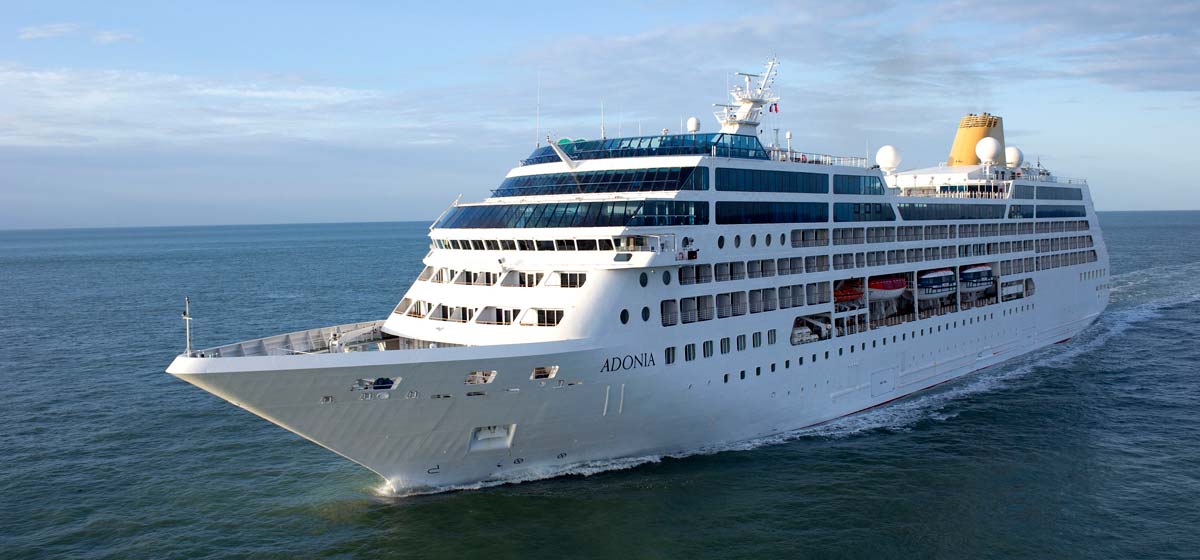
And in May 2016, Fathom’s Adonia sailed from Miami to Cuba, marking the first time in nearly four decades that a U.S. passenger ship had made that trip.
That was a big deal.
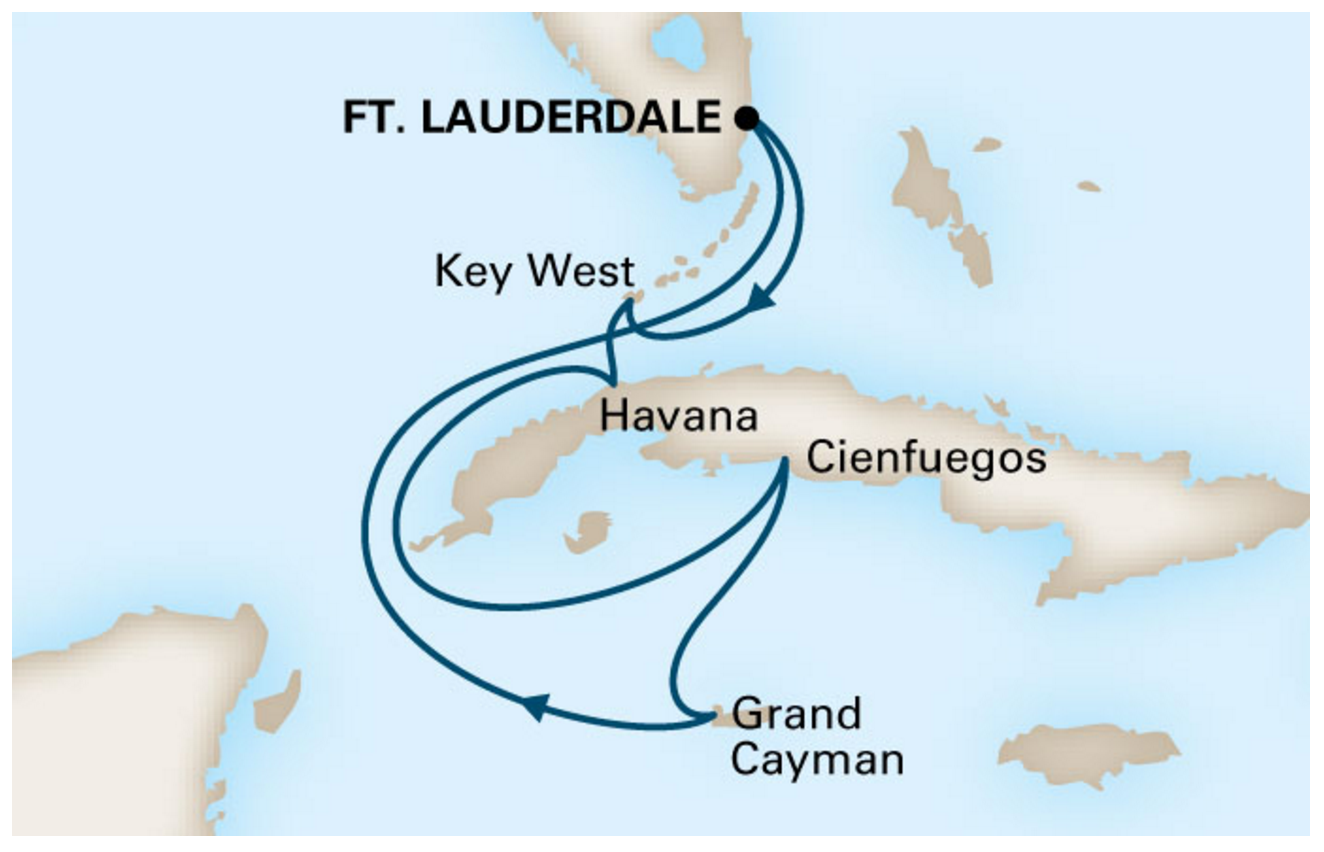
Once that happened, other cruise lines jumped in. Norwegian, Royal Caribbean, Oceania, Regent, and even Holland America started offering Cuba itineraries. Suddenly Havana became one of the hottest ports in the Caribbean. Cruise passengers were booking these sailings in huge numbers, and for a while, Cuba was one of those destinations that everybody wanted to check off their list before something changed.
In 2019, the Trump administration pulled the plug.
Royal Caribbean and Others Open Bookings for Cruises to Cuba while Carnival ends Cruises on fathom
The argument from Washington was that cruise travel to Cuba had basically become tourism disguised as educational travel (duh!), and that the money being spent there was helping prop up the Cuban government. The administration moved to ban cruise ships from visiting the island, and just like that, the whole thing was over. Ships already scheduled to call there had to be rerouted, cruise lines had to scramble to swap in other ports, and Cuba disappeared from Caribbean itineraries almost overnight.
And that’s where we still are.
As of now, American cruise lines cannot sail from U.S. ports to Cuba. That brief chapter when cruising to Havana was actually a thing is long over. The loopholes that made it possible were closed, and the current political climate has shown no real interest in reopening them.
That’s the frustrating part for cruisers, because on paper Cuba makes perfect sense. It’s close. It’s unique. It’s full of culture. It’s unlike the usual rotation of Cozumel, Nassau, Costa Maya, and Grand Cayman. For cruise passengers who have done the standard Caribbean loop a dozen times, Cuba would be something genuinely different.
Instead, it remains one of those “almost” destinations.
And yes, technically Americans can still travel to Cuba in certain situations, but that’s very different from being able to hop on a ship in Miami and spend a day in Havana. Cruise travel is the part that remains off the table.
What makes the whole thing even more maddening is that for a few years, it actually worked. Cruise lines were making money, passengers were excited, and many of the people benefiting in Cuba weren’t just government entities, but also small business owners, drivers, restaurant operators, and others who were seeing real tourism dollars come in. Then the politics shifted and the whole experiment got shut down.
So when someone on deck asks why we can’t cruise to Cuba, the simplest answer is this: because U.S. policy says we can’t.
Not because it’s too far away. Not because cruise lines aren’t interested. Not because there wouldn’t be demand. There absolutely would be. The reason is that Cuba has always been less about cruise planning and more about foreign policy, and when politics gets involved, common sense usually gets tossed overboard first.
Could that change someday? Sure. Anything can change. Cuba policy has bounced around before, and it could again. But if you’re waiting for cruise lines to suddenly start rolling out Havana itineraries next week, I wouldn’t hold your breath.
For now, Cuba remains that island you can sail past, talk about from the deck of a ship, and wonder about, but not actually visit on a cruise from the United States.
And honestly, that’s a shame.
Bonus Content! See Photos from a Cruise to Cuba
In 2017, two of my friends took advantage of the short timeframe to cruise to Cuba and booked a trip on Oceania Marina where one of the ports-of-call was Havana. Check out this post to see photos from around the port and the city itself.