

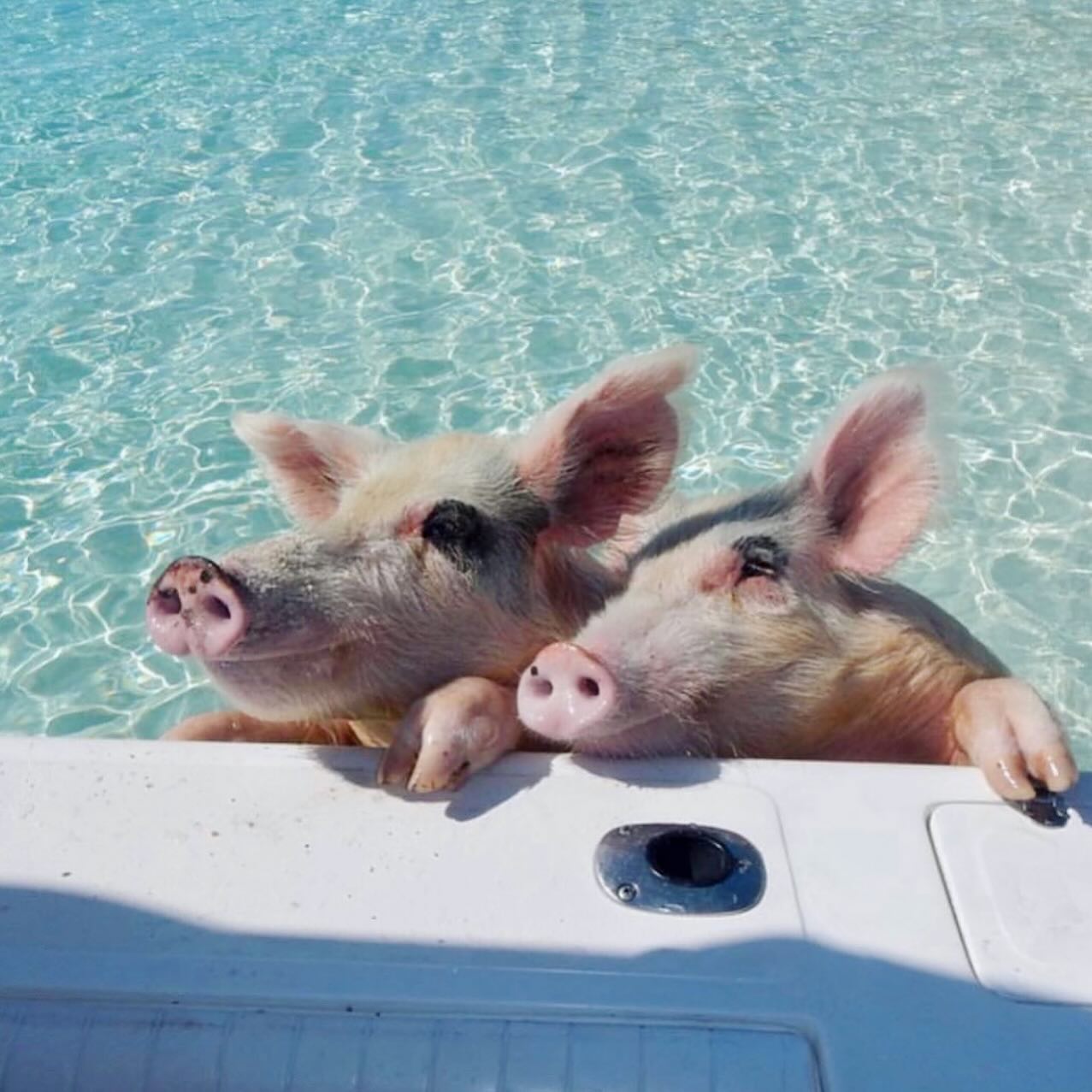
You’ve seen the pictures. Crystal clear turquoise water. White sand beaches. And a bunch of pigs paddling toward you like furry little speedboats, hoping you’ve got snacks. It’s basically the most Instagram-worthy experience the Caribbean has to offer, and it’s right there in the Bahamas waiting for you.
But before you book that shore excursion faster than you can say “bacon,” let’s talk about what swimming with pigs is really like – the magical parts, the disgusting parts, and some genuinely important health stuff that nobody’s putting in the brochures.
The Magic Is Real (And So Are the Memories)
Let’s start with the good stuff, because honestly? Swimming with pigs can be an incredible experience. These aren’t farm pigs lying around in the mud. The swimming pigs of the Bahamas are celebrity-level famous – they’ve been on The Bachelor, popped up in countless celebrity Instagram feeds, and even have their own account with over 271,000 followers.
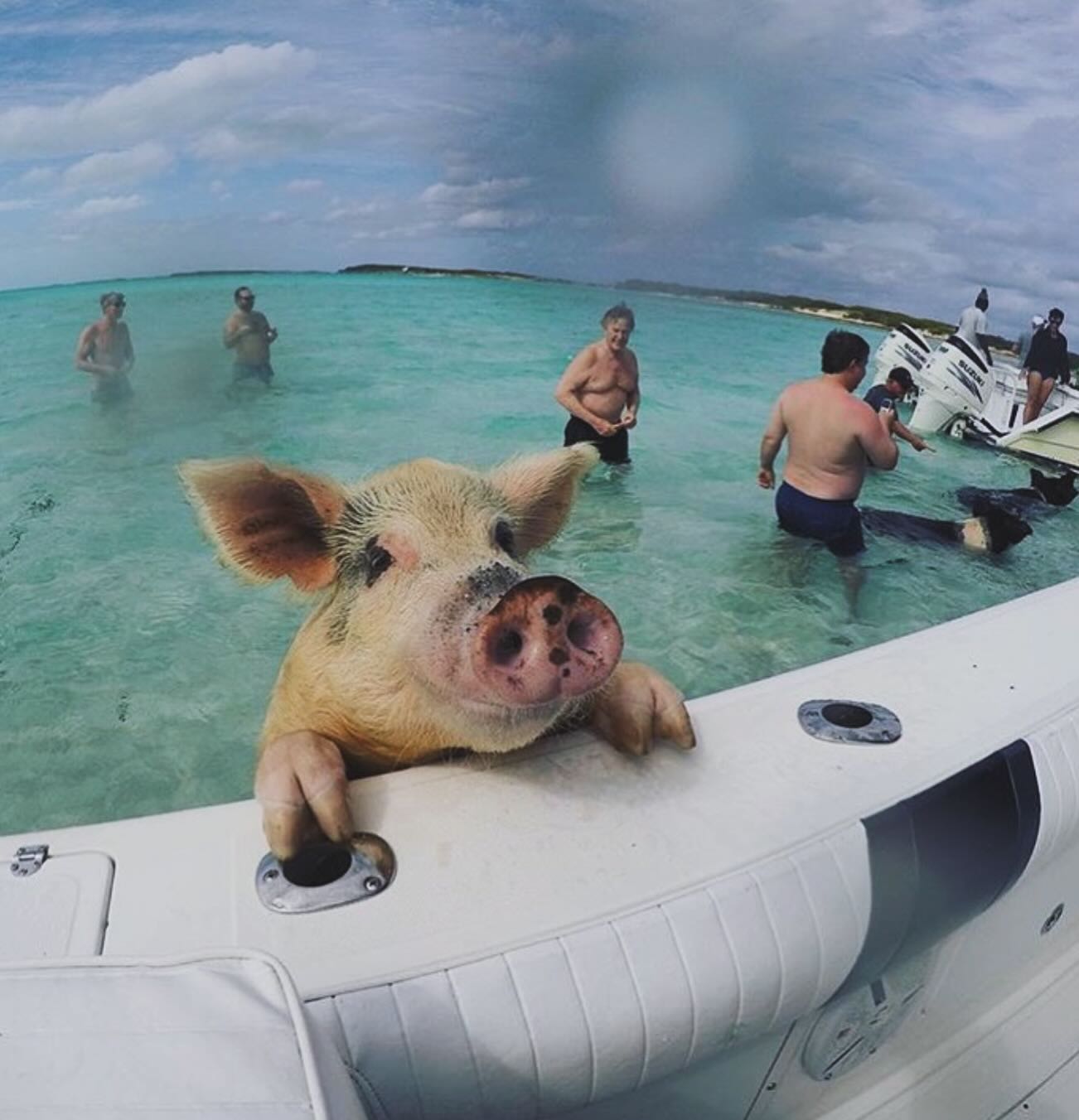
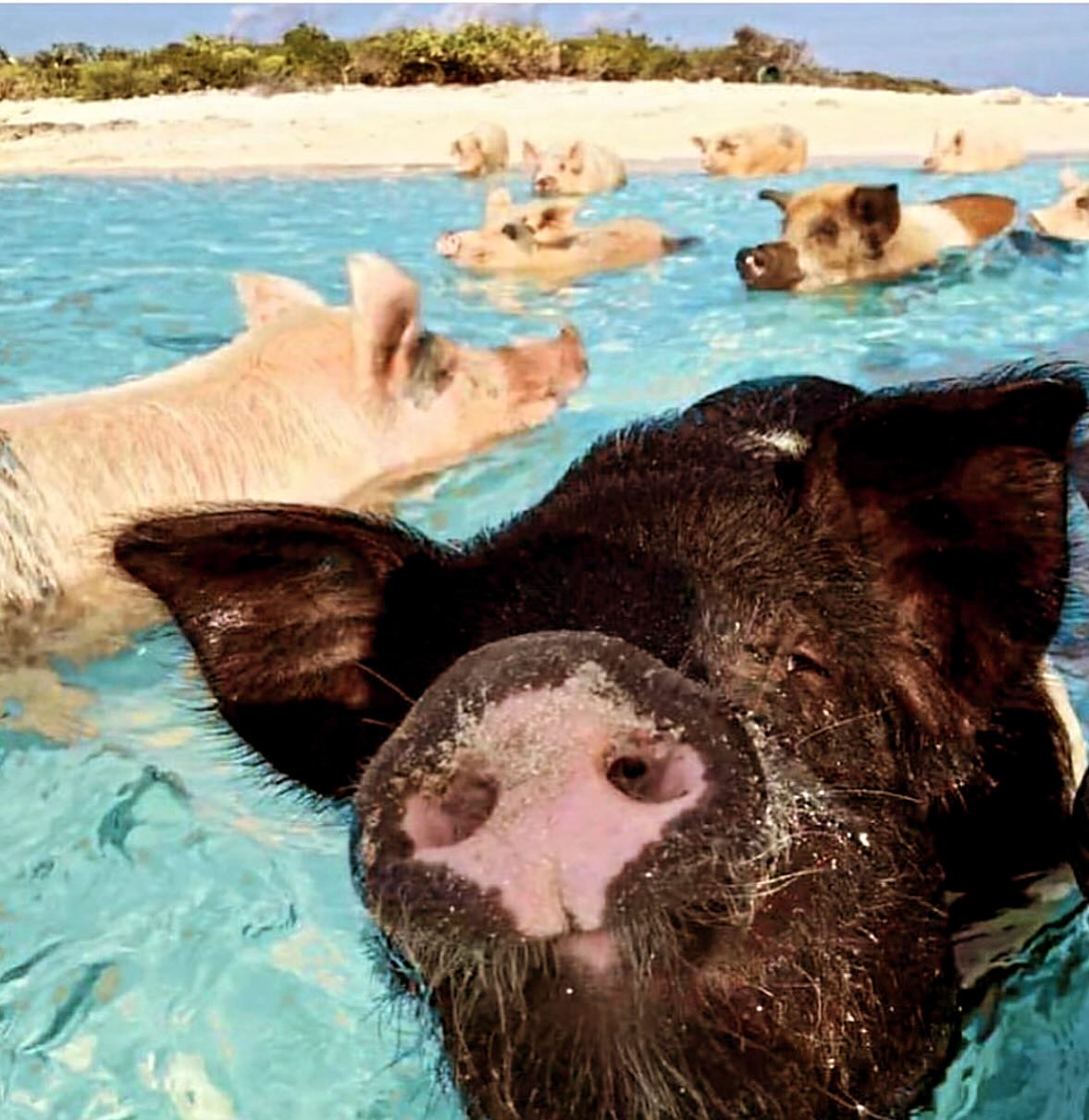
The original Pig Beach is on Big Major Cay in the Exuma islands, though you’ll now find swimming pig attractions on several Bahamian islands including Eleuthera and Rose Island. The pigs have figured out that boats mean food. When they hear an engine approaching, they’ll actually swim out to greet visitors, tails wagging and hooves paddling through the water.
Cruisers who’ve done it describe it as magical and hilarious. The pigs are totally food-motivated. Show them an apple slice on a stick and they’ll practically pose for photos. When they’re not hustling for snacks, many will plop down for a snooze right next to you on the beach.
The piglets? Beyond adorable.
Now Let’s Talk About the Gross Parts
I’m not going to sugarcoat this: they’re pigs and you’re swimming in water that contains pig poop. Lots of it. Multiple visitors have reported seeing floating “surprises” in the water while trying to get their perfect photo op.
As one visitor bluntly put it online: “People were literally in the water with actively pooping pigs.”
The beaches can get crowded with tour boats, the pigs can get aggressive when food is involved, and those cute little snouts are attached to animals that can weigh 400+ pounds and have teeth that can do serious damage. Several tourists have reported being bitten – some severely enough to require medical attention, antibiotics, and even rabies shots.
One traveler on TripAdvisor wrote about getting bitten in the belly, resulting in a massive hematoma that required medical drainage weeks later. Others have shared stories of being nipped on their backsides while trying to get photos.
And those giant tusks on the bigger pigs? They’re not just for show.
The Health Risks Nobody Wants to Talk About
Here’s where things get serious. In January 2025, a 62-year-old Fort Lauderdale man named Brian Roush scraped his ankle during a Bahamas vacation. Seemed like nothing – he continued swimming with pigs and enjoying waterslides. Within hours of returning home, he was rushed to the hospital with necrotizing fasciitis, commonly known as flesh-eating disease.
Doctors gave him just a 10% chance of survival.
Roush survived after a week on life support and multiple surgeries to remove diseased tissue. He’s now relearning to walk. All because bacteria entered through what seemed like a minor ankle scrape while he was in the water with those adorable swimming pigs.
Then there’s the case of a New York woman who held a piglet close to her face during a swimming with pigs excursion near Nassau. She contracted a parasitic roundworm infection called Ascaris suum – a parasite typically found in, you guessed it, pigs – and spent over six years suffering from facial lesions, headaches, severe gum pain, and gastrointestinal issues. She was repeatedly misdiagnosed and even mistaken for a drug addict due to her appearance before finally getting answers.
A 2018 medical case study published in a peer-reviewed journal documented a 74-year-old man who developed severe cellulitis after swimming with pigs in the Bahamas. He had a recent skin biopsy site that became infected, requiring emergency treatment with IV antibiotics.
What’s Actually in That Water?
The CDC warns that Vibrio vulnificus bacteria – which can cause flesh-eating disease – thrive in warm waters above 68°F. That’s pretty much year-round conditions in the Bahamas.
Add to that the fact that water contaminated by swine can contain parasites and bacteria including giardia, salmonella, and pathogenic E. coli. All of these can be transmitted to humans, especially if you have any cuts, scrapes, or open wounds—or if you get water in your mouth, nose, or eyes.
Who Should Absolutely Skip This Excursion
Look, I get it. Those pictures are adorable. But some people really shouldn’t be swimming with pigs, no matter how cute they are:
Skip the pigs if you have:
- Any open cuts, scrapes, wounds, or recent surgical sites
- A compromised immune system
- Recent sun damage or skin irritation
- Any chronic skin conditions
- Recent piercings or tattoos that haven’t fully healed
Also think twice if you:
- Are pregnant
- Have young children who might put their hands in their mouths
- Are an older adult with thin or fragile skin
- Take immunosuppressant medications
- Have diabetes or other conditions that affect wound healing
And absolutely stay out of the water if:
- You got a cut or scrape earlier in your trip
- You have any kind of infection currently
- You’re not up to date on your tetanus shot
How to Do It Safer (If You Still Want To)
If you’ve weighed the risks and still want to check this off your bucket list, here’s how to minimize your chances of becoming a cautionary tale:
- Wear water shoes. Those pigs are heavy and can easily step on your feet.
- Keep your face away from the pigs. That means no piglet snuggles near your face, no matter how cute they are.
- Don’t put your face in the water. Seriously.
- Bring your own clean drinking water to share with the pigs rather than relying on what’s available.
- Use hand sanitizer or wash thoroughly immediately after the excursion.
- Don’t feed them directly from your hand if you can help it – use a stick or let guides handle the feeding.
- Keep distance from aggressive pigs. If one seems overly eager or pushy, back away.
- If you have ANY cuts or scrapes, stay on the boat and take photos from there. It’s not worth the risk.
- Watch where you step – and try not to ingest sand. Several pigs have died from eating sand-covered food, and the same bacterial concerns apply to you.
- Monitor yourself after the excursion. If you develop any redness, swelling, fever, or unusual symptoms within 24-48 hours, seek medical attention immediately and mention that you were swimming with pigs in the Bahamas.
Swimming with pigs in the Bahamas can genuinely be a fun, unique experience that makes for incredible photos and memories. Thousands of people do it every year without any problems.
But it’s not the sanitized, safe tourist activity those Instagram photos suggest. You’re wading into bacteria-filled water with unpredictable animals that can bite, and the consequences of that decision have ranged from minor infections to life-threatening emergencies.
If you’re young, healthy, have no open wounds, and take precautions, you’ll probably be fine. But if you fall into any of the higher-risk categories – or if you just don’t want to swim in pig poop water – there’s absolutely no shame in watching those adorable oinking swimmers from the safety of the boat.
Those photos still look pretty good from there, and you won’t have to worry about explaining a pig bite scar to your doctor back home.
Have you done the swimming with pigs excursion? We’d love to hear about your experience – the good, the bad, and the gross. Drop a comment below!