

So you’re browsing cruise itineraries, you find the perfect sailing, and then you notice something weird: there’s a gap in the schedule. No cruises for two weeks. What gives? Chances are, the ship is heading into dry dock. But what exactly does that mean, and why should you, as someone just trying to book a vacation, care about it?
Let’s dive in (pun absolutely intended).
First Things First: What IS a Dry Dock?
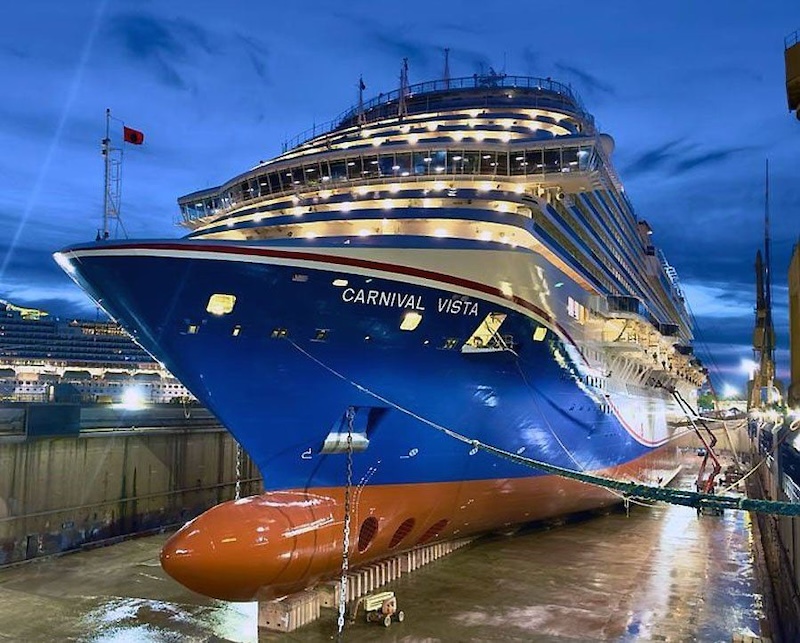
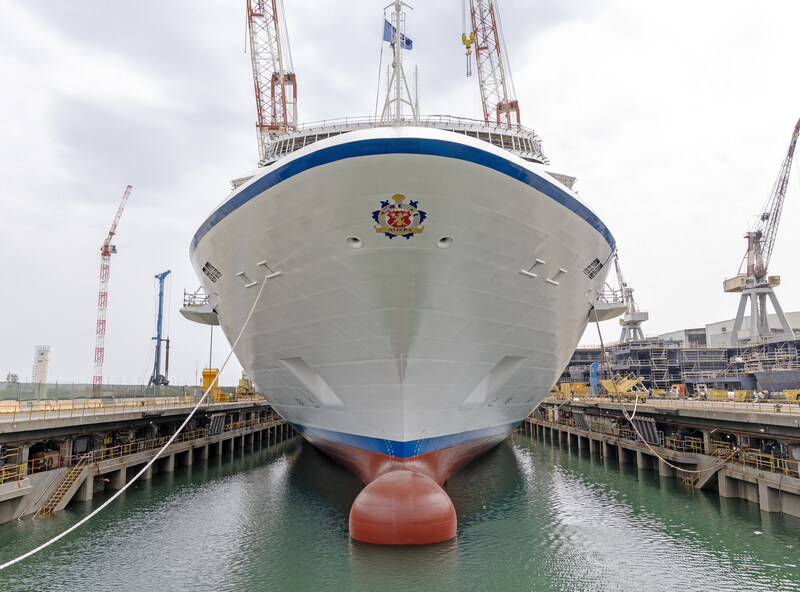
Picture a giant bathtub, but in reverse. A dry dock is essentially a massive basin at a shipyard that can be flooded with water to let a ship float inside. Once the vessel is positioned and secured on supports, all that water gets pumped out, leaving the ship sitting high and dry on the floor of the dock.
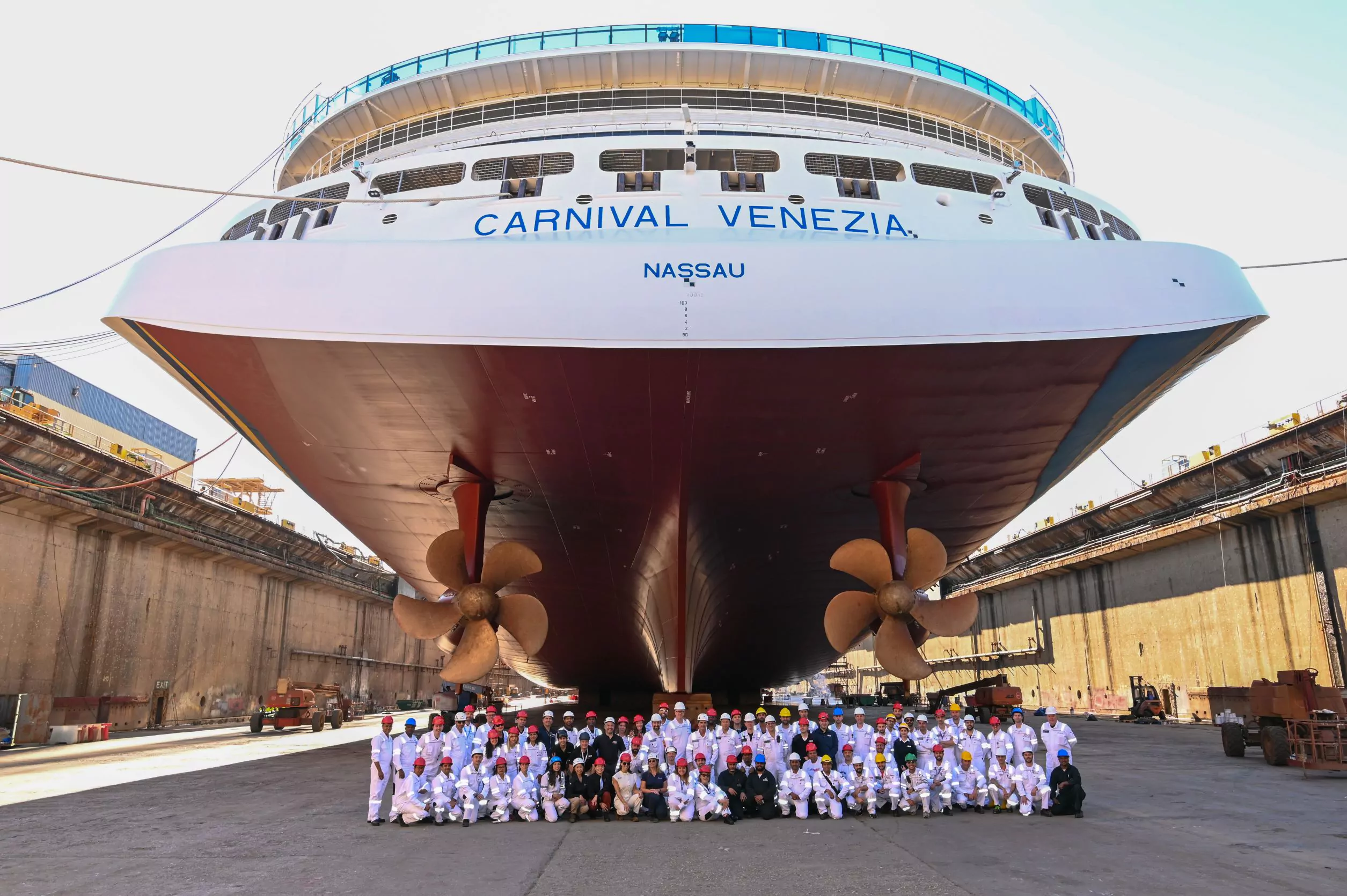
Why go through all this trouble? Simple: the bottom of a cruise ship spends its entire life underwater. That hull needs inspecting, cleaning, painting, and repairing, and you can’t exactly do that while the ship is floating. The only way to access everything below the waterline, like the hull, propellers, thrusters, and all those other essential bits, is to get the ship out of the water entirely.
There are actually two main types of dry docks you’ll hear about. The permanent type is those basin-like structures built into the ground at shipyards and floating dry docks, which are movable platforms that can be submerged to allow a ship in, and then pumped out to lift the vessel above the waterline. Both get the job done, but permanent docks are typically used for today’s massive mega-ships.
How Often Do Cruise Ships Have to Go Into Dry Dock?
Here’s where it gets regulatory. International maritime law, specifically SOLAS, which stands for the International Convention for the Safety of Life at Sea, requires passenger ships to be dry docked at least twice every five years, with no more than 36 months between visits. So roughly every two and a half years, your favorite cruise ship needs to head to a shipyard.
Newer ships can sometimes stretch closer to that three-year mark between dry docks, while older vessels often need a bit more TLC and may go in every two years. The ship’s age, condition, and specific operational needs all factor into the scheduling.
But here’s the thing: cruise lines don’t just use dry dock time for mandatory inspections. They’re smart about it. Since the ship is already going to be out of service anyway, why not take the opportunity to spruce things up?
What Actually Happens During Dry Dock?
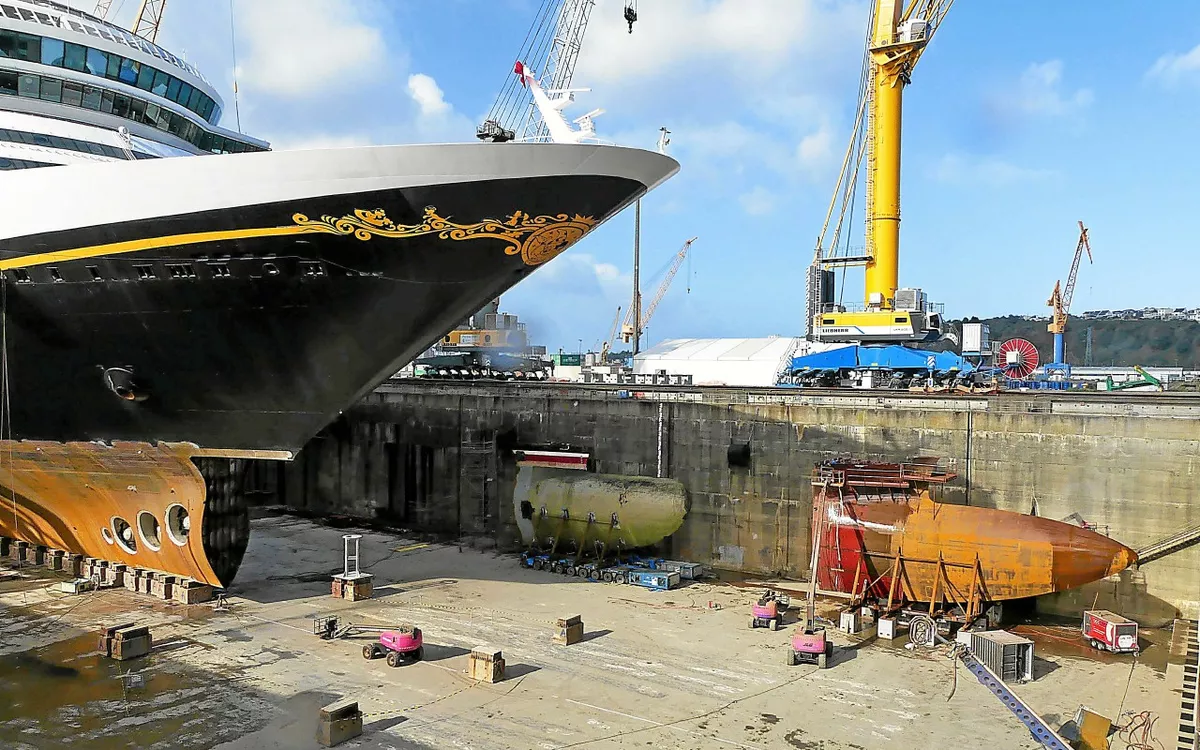
Once a ship enters dry dock, it becomes a beehive of activity. Hundredss, even thousands, of contractors descend on the vessel to tackle everything from essential maintenance to complete makeovers.
The mandatory stuff includes hull inspections, cleaning off all the marine growth (barnacles are no joke), and applying fresh coats of anti-fouling paint that helps prevent sea creatures from hitching rides. The propellers and thrusters get serviced, the ballast water systems are checked, and everything underwater gets a thorough once-over with ultrasonic gauges to make sure the hull integrity is solid.
Beyond the regulatory requirements, cruise lines often use dry dock periods to refresh and renovate. This can range from relatively minor updates like new carpet, fresh paint, and updated furniture, to complete transformations. New restaurants get added. Waterslides appear. Entire sections of the ship might be reconfigured. Royal Caribbean just spent $100 million on Allue of the Seas’ renovation last year!
Some ships have even been literally stretched during dry dock – cut in half with a new section welded in the middle to add more cabins and revenue-generating space. Wild, right?
Environmental upgrades are increasingly common too. Ships get fitted with “scrubbers” to reduce emissions, more efficient engines, and ballast water treatment systems to meet stricter environmental regulations.
What Happens to the Crew During Dry Dock?
This is a question a lot of people don’t think to ask, but it’s fascinating. When your floating city heads into dryd ock, what happens to the thousand-plus people who live and work aboard?
The short answer: it varies by position.
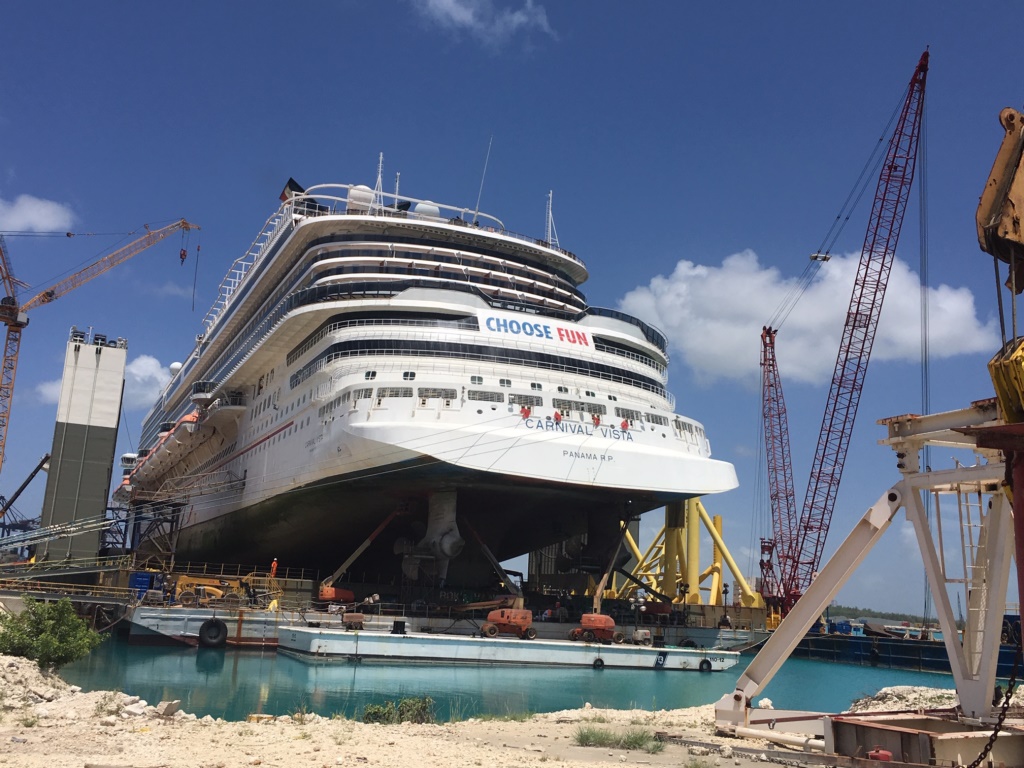
Cruise lines generally keep only essential crew during dry dock since, with no passengers, there’s no revenue coming in and no tips being earned. So some of the crew either get sent home, transferred to another ship, or given the option to take unpaid leave at their own expense.
The crew members who stay fall into a few categories. The deck and engine departments usually stick around because there’s tons of work to do. They’re supervising contractors, doing their own maintenance projects, and making sure all the technical systems are properly handled. Guest services staff often remain too, since all those contractors need to be checked in, issued keycards, and managed much like passengers would be.
Then there are crew members who stay simply because it doesn’t make logistical sense to send them away for just two weeks and then fly them back. These folks might get assigned to things like fire watch duty (standing by with fire extinguishers while welding is happening), running temporary bars for contractors, or handling cleaning assignments.
Life on a ship during dry dock is weird. There are sparks flying, cables everywhere, areas blocked off, and a constant stream of shipyard workers wandering around. Most cruise lines hold safety briefings before dry dock to warn crew about the hazards. But some crew members actually love it – it’s a change of pace, less demanding than passenger-facing work, and if the dry dock happens to be in a cool city, there are opportunities to explore during downtime.
The Scheduling Nightmare: When Dry Docks Get Rescheduled
Here’s where things can get frustrating for cruisers. While routine dry docks are planned years in advance, those schedules don’t always hold.
Shipyard availability can change. Maybe another ship’s work takes longer than expected. Maybe there’s a materials shortage. Maybe the shipyard has its own operational issues to deal with. When that happens, cruise lines sometimes have to adjust their dry dock timing—and that can mean cancelled cruises.
It’s happened multiple times recently. Celebrity Solstice had cruises cancelled when the ship needed additional servicing beyond planned repairs, and shipyard availability forced them to move up the dry dock schedule. Disney Fantasy had to cancel several sailings when an unplanned change in dry dock dates threw off the schedule. Carnival has dealt with multiple ships – Carnival Conquest, Carnival Magic, Carnival Horizon, Carnival Elation – having cruises cancelled due to dry dock rescheduling.
The reasons vary: shipyard berth availability, supply chain issues, labor shortages, or simply discovering during pre-dry dock inspections that more work is needed than originally anticipated. Whatever the cause, the result is the same: disappointed passengers getting cancellation emails.
When this happens, cruise lines typically offer compensation. You’ll usually get options to rebook on another sailing with price protection, receive onboard credit for your trouble, or get a full refund. Some lines also cover flight change fees you might incur from the sudden schedule change.
What This Means for Your Cruise Planning
Should you worry about dry dock when booking a cruise? Not really, but a little awareness doesn’t hurt.
If you’re booking a cruise that falls right before or after a scheduled dry dock, just know there’s a small chance of schedule changes. Ships heading into dry dock might occasionally have work begin early, meaning contractors could be aboard during your sailing or certain areas might be closed off. Ships coming out of dry dock might have minor delays or finishing touches still being completed.
On the flip side, sailing on a freshly dry docked ship can be fantastic. Everything is clean, updated, and running smoothly. New restaurants and features might have just debuted. It’s basically the “new car smell” experience for cruising.
The key is flexibility. Things can change in this industry for countless reasons, and dry dock scheduling is just one of many variables. Travel insurance isn’t a bad idea, and mentally preparing for the possibility of changes, while still expecting everything to go smoothly, is always wise.